
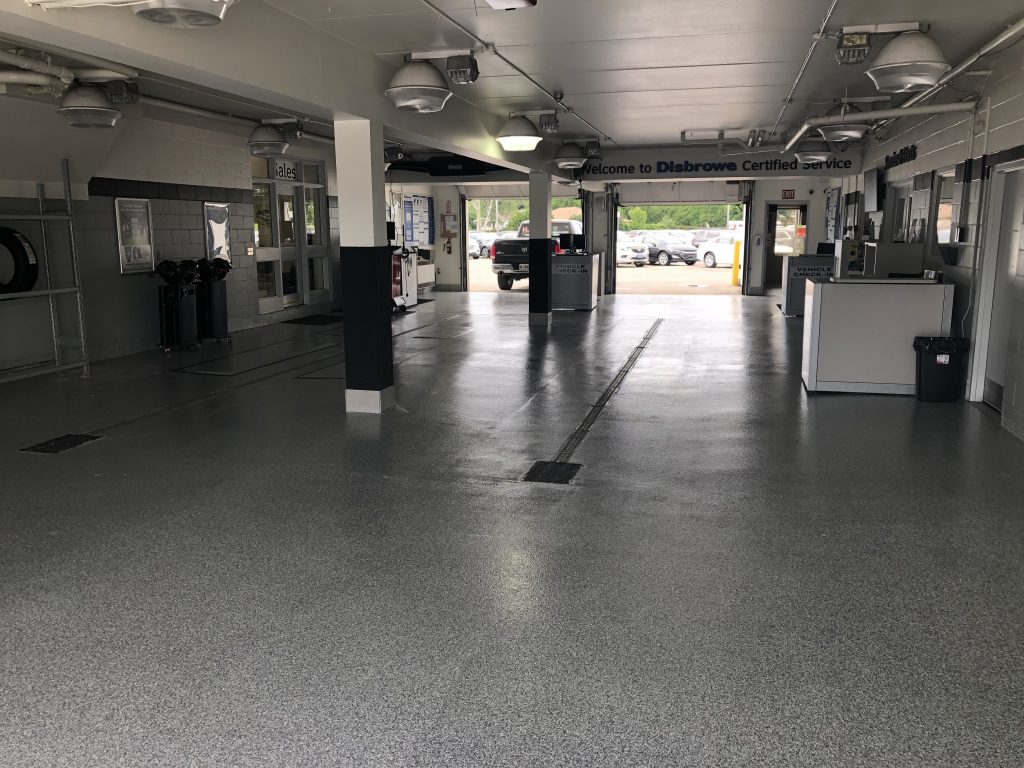
Epoxy flooring is one of the most durable and aesthetically pleasing choices for both residential and commercial spaces. It’s resistant to chemicals, abrasion, and heavy traffic, making it a top choice for garages, warehouses, and even modern living areas. However, moisture can pose a significant challenge when it comes to epoxy installation. If not properly managed, it can lead to bubbling, delamination, and even complete floor failure.
In this blog, we’ll explore the relationship between epoxy flooring and moisture, the potential problems moisture can cause, and the steps you can take to prevent these issues.
Understanding the Moisture Challenge
Moisture vapour transmission (MVT) occurs naturally in concrete slabs, especially when they are in contact with the ground. Concrete is porous, so water vapour from the earth can pass through it over time. While this might not seem problematic initially, when epoxy is applied to a damp surface or an area with high moisture levels, the trapped moisture can lead to serious issues.
When moisture vapour pushes through the epoxy layer, it can cause bubbles, blisters, and cracking. In worst-case scenarios, this can lead to the peeling or lifting of the entire epoxy coating—a process called delamination.
Common Moisture-Related Issues in Epoxy Flooring
- Bubbling and Blistering: These can occur when water vapour from the concrete rises and gets trapped under the epoxy, causing visible deformities on the surface.
- Delamination: If moisture levels are too high or persistent, the epoxy can separate from the concrete slab, leading to large sections peeling off.
- Efflorescence: Sometimes, salts within the concrete can migrate to the surface, creating a white powdery substance that disrupts the epoxy bond.
- Cracking: Moisture-related movement in the underlying concrete can cause stress on the rigid epoxy, leading to cracks in the surface.
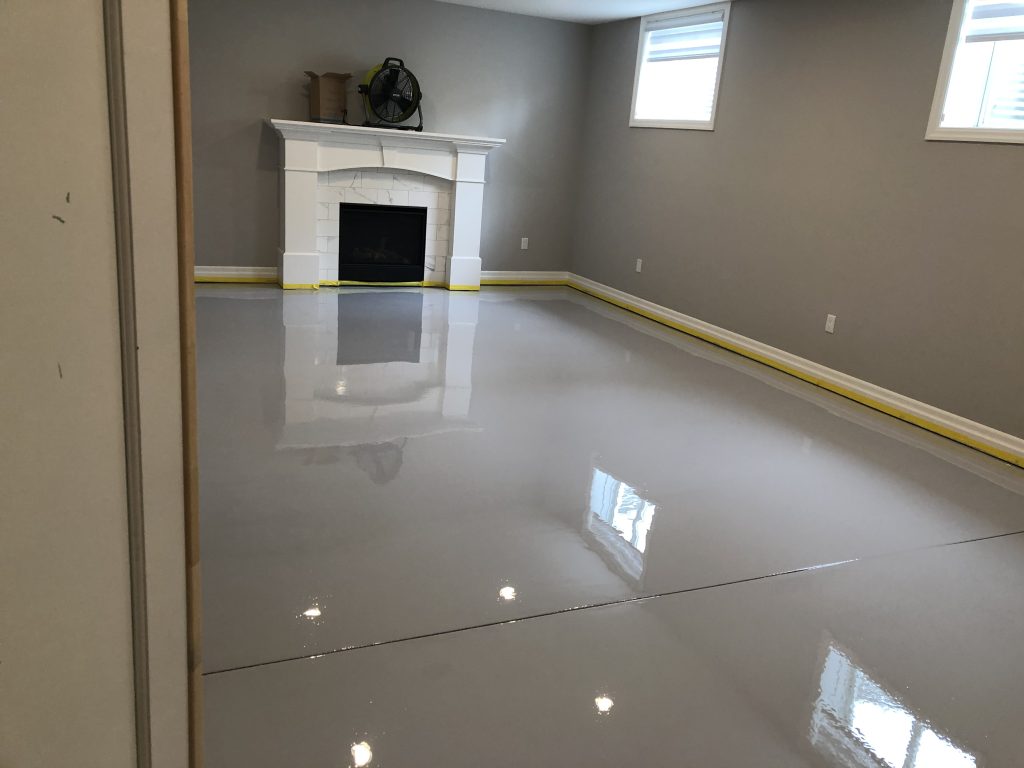
Preventing Moisture Issues in Epoxy Flooring
To avoid these problems, careful preparation and moisture control are critical. Here’s how to ensure a successful, long-lasting epoxy floor:
1. Test for Moisture Before Installation
Before applying epoxy, it’s essential to check the moisture levels of the concrete slab. There are several ways to measure moisture content, including:
- Moisture Metre: A specialised tool to determine the slab’s moisture content.
- Calcium Chloride Test: This measures the moisture vapour emission rate (MVER) of the concrete.
- RH (Relative Humidity) Testing: This method involves placing sensors in drilled holes to measure the moisture within the slab.
For epoxy application, most manufacturers recommend a relative humidity below 75-80%. If moisture levels are too high, you’ll need to address this before proceeding.
2. Install a Vapour Barrier
For new construction or areas with high moisture content, installing a vapour barrier beneath the concrete slab is one of the best ways to prevent future moisture issues. This barrier blocks ground moisture from penetrating the slab, minimising the risk of moisture transmission that could impact the epoxy coating.
3. Use Moisture-Tolerant Epoxy Primers
If you’re working with an older or existing concrete slab that might have moisture issues, consider using a moisture-tolerant epoxy primer. These primers are designed to bond effectively even in slightly damp conditions, creating a reliable base for the epoxy topcoat.
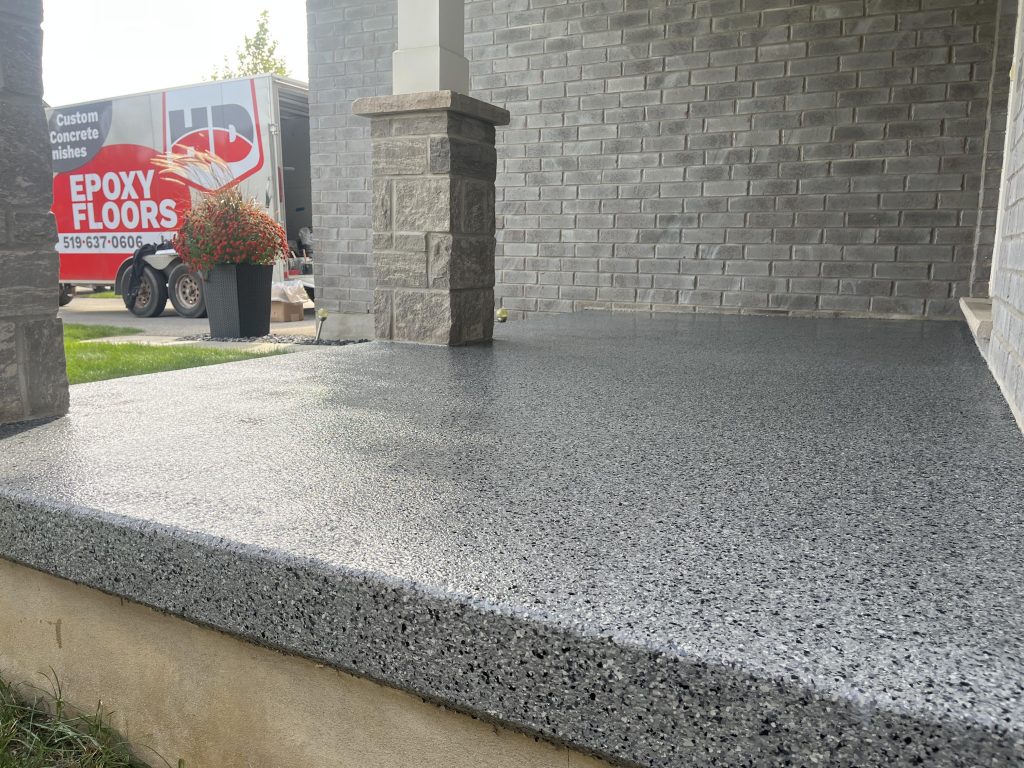
4. Ensure Proper Concrete Curing
Concrete must be fully cured before applying epoxy. Freshly poured concrete can retain moisture for weeks, even months, depending on the environmental conditions. Installing epoxy too soon can trap moisture within the slab, leading to problems down the line. Always allow ample time for the concrete to dry completely and recheck moisture levels before proceeding.
5. Improve Site Drainage and Ventilation
Water seepage can also occur due to external factors such as poor drainage or high humidity. Make sure the surrounding area has proper drainage systems in place, and ensure good ventilation in the space where the epoxy floor will be applied. Both measures can reduce moisture accumulation over time.
6. Repair and Seal Cracks
Cracks and gaps in the concrete can act as entry points for moisture. Be sure to fill and repair any cracks or imperfections in the concrete slab before applying epoxy. Using a concrete sealer can also act as an additional layer of protection against moisture infiltration.
Conclusion
Epoxy flooring offers excellent durability and beauty, but managing moisture is essential to ensuring its long-term performance. By testing moisture levels, installing vapour barriers, using moisture-tolerant primers, and ensuring proper site conditions, you can avoid moisture-related problems and enjoy the full benefits of your epoxy floor for years to come.
When done correctly, epoxy flooring can transform your space without the worry of moisture damage. Be proactive, and you’ll prevent issues before they even begin.
Looking to install an epoxy floor in your home or business? Contact us today to learn more about our epoxy flooring solutions and how we can help you achieve a flawless, long-lasting finish.
At HD Custom Concrete Finishes we install a wide range of product options from quartz, flake, solid colour, custom colour, metal finish, marble finish, and concrete sealing. We at HD Custom Concrete Finishes excel at exposing the beauty of concrete and providing a long-lasting finish. Whether it’s your garage or your warehouse, we’re committed to assisting you in finding the right floor customization. Our trained crews take the time to get it right, right from the start of the project.
HD Custom Concrete Finishes provides quality epoxy floor installation and concrete sealing. We specialise in completing complex projects on time and within budget using the highest quality products available on the market while providing the quality and service you expect from a family-run operation. Call 519.637.0606 or click here to schedule a time to speak with one of our estimators.
02-April-2026
By: HD Painting Contractor Ltd.