
In recent years, epoxy flooring has become a popular choice for both residential and commercial spaces due to its durability, sleek appearance, and low maintenance. But as eco-consciousness grows, a critical question arises: Is epoxy flooring eco-friendly? To answer this, we need to examine its environmental impact across different stages— from production to application, and end-of-life disposal.
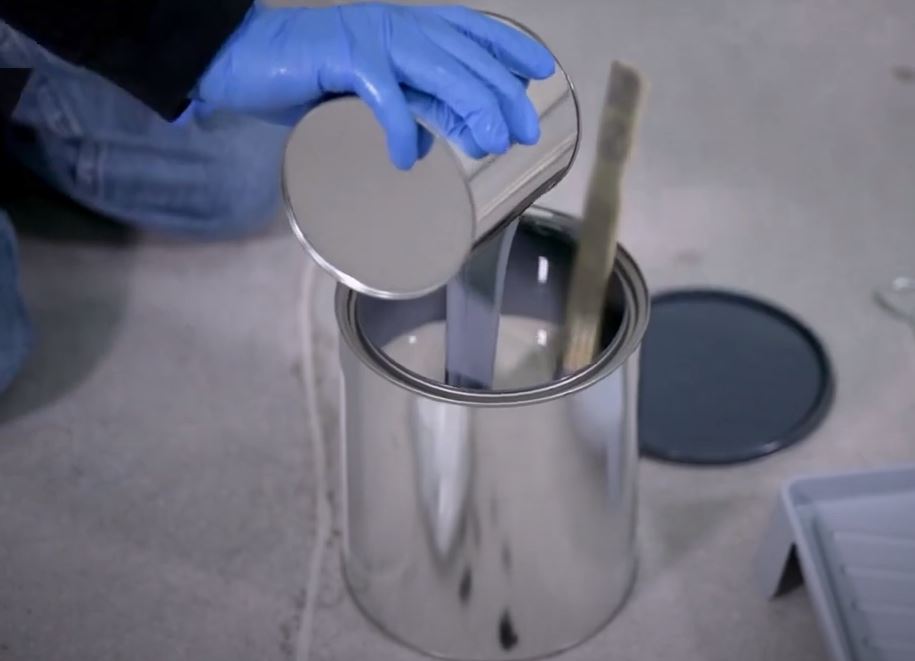
What is Epoxy Flooring?
Epoxy flooring is created through a chemical reaction between resin and a hardening agent. When applied to concrete or other surfaces, it forms a durable, seamless coating that can resist wear, chemicals, and moisture. This makes it an ideal option for garages, industrial spaces, and even decorative purposes in homes.
While epoxy offers practical benefits, we need to consider how its production, application, and disposal impact the environment.
The Production Process: Resource-Intensive
Epoxy resin is primarily a petroleum-based product, meaning its production is tied to the fossil fuel industry. The extraction and refining of petroleum contribute to greenhouse gas emissions, pollution, and habitat disruption. Additionally, the manufacturing of epoxy involves energy-intensive chemical processes, which further contribute to carbon emissions.
However, advancements in chemical engineering have introduced plant-based and waterborne epoxies, which reduce reliance on fossil fuels. While these alternatives are not yet mainstream, they are promising steps toward making epoxy more sustainable.
VOC Emissions: A Concern for Indoor Air Quality
One of the biggest environmental concerns surrounding epoxy flooring is its potential to release volatile organic compounds (VOCs) during and after installation. VOCs contribute to indoor air pollution, which can cause respiratory issues and environmental harm.
That said, modern formulations of epoxy products have made significant strides in reducing VOC content. Many manufacturers now offer low-VOC or zero-VOC epoxy flooring options, which are much safer for both the environment and human health.
Longevity: A Sustainable Factor
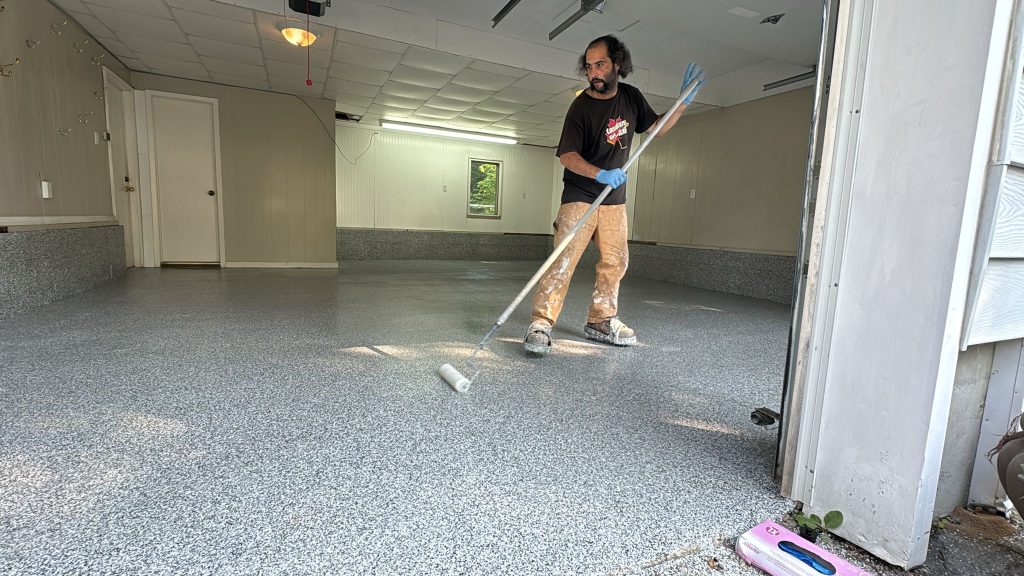
One of the key environmental advantages of epoxy flooring is its durability. High-quality epoxy floors can last for decades with minimal maintenance, reducing the need for frequent replacements or repairs. In contrast, other flooring options like vinyl, carpet, or even wood often need to be replaced more frequently, leading to higher material consumption and waste.
The longer lifespan of epoxy floors can be seen as a form of waste reduction, contributing to its overall sustainability.
Energy Efficiency and Maintenance
Epoxy flooring’s seamless, reflective surface also plays a role in energy efficiency. In commercial spaces, the glossy finish can enhance the brightness of a room, reducing the need for artificial lighting. Additionally, its impermeability makes it easier to clean without the use of harsh chemicals, which is another environmental benefit. Since fewer cleaning agents are required, it minimises water contamination and the use of non-biodegradable cleaning products.
End-of-Life Disposal: A Major Issue
The disposal of epoxy flooring poses one of its greatest environmental challenges. Since epoxy is not biodegradable and cannot be easily recycled, it typically ends up in landfills at the end of its life cycle. The chemical compounds in epoxy can take hundreds of years to break down, and in the process, they may leach harmful substances into the soil and water.
However, efforts are underway to develop more eco-friendly epoxies that can be recycled or safely decomposed. While these innovations are still in the early stages, they represent the future of sustainable flooring solutions.
Alternatives to Epoxy Flooring
For those seeking eco-friendlier flooring solutions, there are a few alternatives to consider:
- Polished Concrete: This option uses fewer chemicals and has a low environmental impact during production and installation.
- Bamboo Flooring: A renewable resource, bamboo grows quickly and regenerates without the need for replanting, making it a sustainable choice.
- Cork Flooring: Harvested from the bark of cork oak trees, this material is both renewable and biodegradable.
While these alternatives offer lower environmental impact, they may not have the same durability and specific advantages as epoxy, particularly in industrial settings.
Conclusion: Is Epoxy Flooring Eco-Friendly?
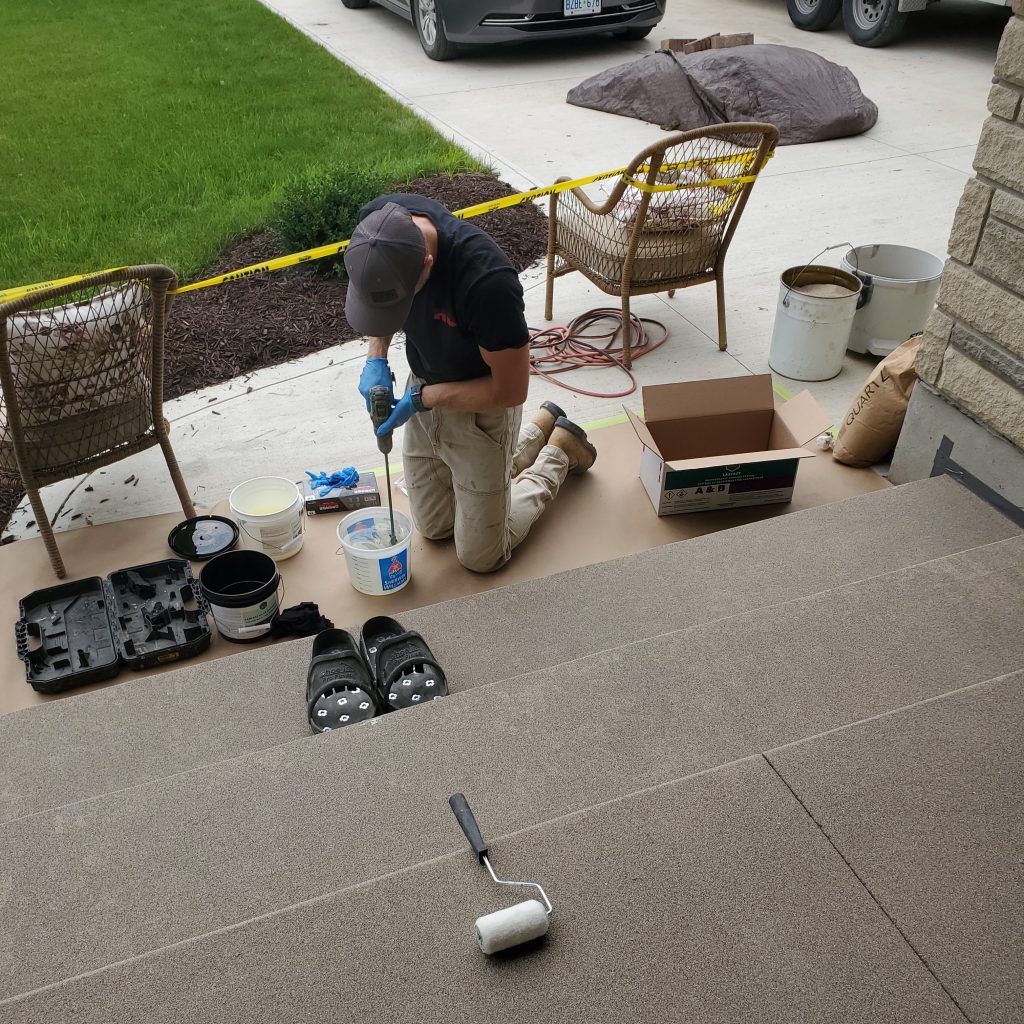
The environmental impact of epoxy flooring is mixed. While it has notable downsides— particularly its petroleum-based production and end-of-life disposal issues— it also offers advantages such as durability, low maintenance, and energy efficiency. If you’re considering epoxy flooring, opting for low-VOC or plant-based versions can significantly reduce its environmental footprint. However, for those prioritising sustainability above all else, exploring alternative flooring materials may be a better route.
In the end, whether epoxy flooring is eco-friendly depends on the specific product chosen and how it’s used, maintained, and eventually disposed of. The flooring industry is evolving, and as demand for greener products grows, the future of epoxy could become much more sustainable.
By staying informed, you can make more eco-conscious decisions for your flooring projects. Whether it’s epoxy or an alternative, every step toward sustainability counts.
At HD Custom Concrete Finishes we install a wide range of product options from quartz, flake, solid colour, custom colour, metal finish, marble finish, and concrete sealing. We at HD Custom Concrete Finishes excel at exposing the beauty of concrete and providing a long-lasting finish. Whether it’s your garage or your warehouse, we’re committed to assisting you in finding the right floor customization. Our trained crews take the time to get it right, right from the start of the project.
HD Custom Concrete Finishes provides quality epoxy floor installation and concrete sealing. We specialise in completing complex projects on time and within budget using the highest quality products available on the market while providing the quality and service you expect from a family-run operation. Call 519.637.0606 or click here to schedule a time to speak with one of our estimators.
05-December-2025
By: HD Painting Contractor Ltd.